19 Results for Italy

The Roman Republic 1000 B. C. – 27 B. C. -know the myth of Romulus and Remus (pg. 130 – 131) -Rome is a central point between the Alps and Sicily -at point where it was easy to cross the Tiber river -key point for trade routes Three Main Culture Groups 1) The Latins - ...
" Ancient Rome" The founding of Rome began in 753 BC. The establishment of the Roman Republic occurred in 509 BC and lasted 500 years, during which time Julius Caesar was one of the rulers. Emperor Augustus brought Rome out of the Republic and unified ancient Italy. Rome was founded in 753 BC du...
Geographical and living habits:In 390 BC Gallic Tribes crossed the Alps swept down through Italy and sacked and burnt Rome. The Gauls left the city but for a time they held the northern part of the Italian peninsula. The region south of the Alps became known to the Romans as Cisalpine Gaul or Gaul t...
Gaius Julius Caesar was a powerful military leader who changed the course of the Greco-Roman civilization decisively and irreversibly. Julius belonged to Rome's original Aristocracy, the patricians, or landholding upper class, and his lineage can be traced back to the goddess Venus. While growi...
Gaius Octavius, the great-nephew of Julius Caesar, was born in Rome on the 23rd of September, 63 BC (Southern 1). After Julius Caesar's death on the Ides of March in 44 BC, a struggle for power in Rome ensued, even though 18 year old Octavian was the heir. Marc Antony, a good friend of J...
Battles and Battle Techniques Many battles happened during Rome's reign over it's Empire. Although many, I will only name a few as well as some of their techniques that helped them ensure a victory. Probably Rome's most famous battles came from the Punic Wars. A revolt...
There are always many factors that allow an empire to be great as there many factors for why one would be less sufficient. In this essay I will discuss two empires in all, the Roman and the Mauryan Empires. We will then discuss the social, political, and economic aspects that led these empires ...
Gaius Julius Caesar was born on the 13th day of the month, Quintilis, July in modern calendars, in the year 100 BC. His name was the same as his father\'s, with Gaius being his given name, and Julius being his surname. Caesar was the name for one branch of the Julian family, and originally meant ...
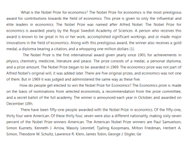
Pompey the Great (106-48 B.C.) was one of Rome's most gifted generals. He supported Sulla in the Roman civil war of 100b.c. and from there went on to win battles in Spain, Sicily and Africa. He achieved lasting fame for sweeping the Mediterranean free of pirates in 67 b.c. The following year h...
The legacy of Julius Caesar is remarkable. Julius Caesar was born Gaius Julius Caesar, in Rome, Italy to a well known and ancient patrician family (a noble family of the ancient Roman Republic, which during the Roman Empire had exclusive rights to the Senate). To more of the present days, we use t...
Ridley Scott, being contemporary and innovative is one of many film directors who have a certain style that is ever present throughout their films. Gladiator and Hannibal two of Scott's best movies do not share plot summary yet they encompass similar techniques to achieve their desired look. In...
Introduction:Julius Caesar is one of the most famous people in world history. He was a very interesting man. It was Caesar who changed the way that the Roman government worked. He was also a great warrior and claimed a great deal of land for the Roman Empire.Caesar's Early YearsJulius Caesar was ...
"I came, I saw, I conquered" (Andrews). This was spoken by one of thegreatest leaders to ever rule Rome. Julius Caesar was born on July 13, 102 B.C.to one of the original patrician families of Rome. He was educated by a tutor,Marcus Antonius Gnipho, whom provided Julius with an excellent education...
"Washington is not going to change its mind; it will resort to force even without U.N. authorization."In January 49 BC, Julius Caesar had a very important decision to make with himself. He was to either comply with the Senate's command to remain at the Rubicon River and not to attack Pompey, or he ...
Phases of the Roman EmpireThe Romans dominated the ancient world for almost 500 years. At their zenith, they controlled a majority of land in the European region. It was an area that extended from the Atlantic coastline of Spain in the west, to the shores of the Caspian Sean in the east; from the ...
Gaius Julius Caesar was born on the 13th day of the month Quintilis, July in modern calendars, in the year 100 BC. His name was the same as his father's, with Gaius being his given name, and Julius being his surname. Caesar was the name for one branch of the Julian family, and originally meant "h...
Julius Caesar was born into a patrician family in Rome, but early on he opposed the rule of a small conservative group. His family belonged to the old nobility the patrician order and several of his ancestors had won distinction in the service of the state. Caesar was the most prominent man of all h...
Mark AntonyMark Antony Was believed to be born in 83 B.C. and died at the age of 53, in 30 B.C. Antony was born into an already prominent Roman family. He was very ambitious at what he would strive to accomplish. In 53 B.C. he became cavalry officer under the reign of Julius Caesar. Then in 48 B.C...
Virgil spent a substantial amount of time and research on his masterpiece, The Aeneid. His goal was to create a piece of literature that would be praised by King Augustus Caesar of Rome. In order to properly display his devotion and gratitude towards his gracious leader, Virgil wrote The Aeneid as a...